When I was 9 years old, I was torn up with all and roots and transplanted –as Harry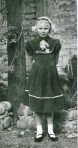 Belafonte more or less said while introducing his song about Jamaica- with no one wanting my opinion about nothing, at no time and in no way. Children were to be “seen and not heard” according to my father, so voicing an opinion –even if I had had one- was not an option. Of course, I didn’t have one. I had no idea what “moving to Mexico” meant, or where Mexico was, or anything of anything. All I knew was that, while I was away at summer camp
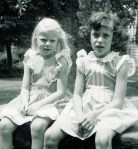
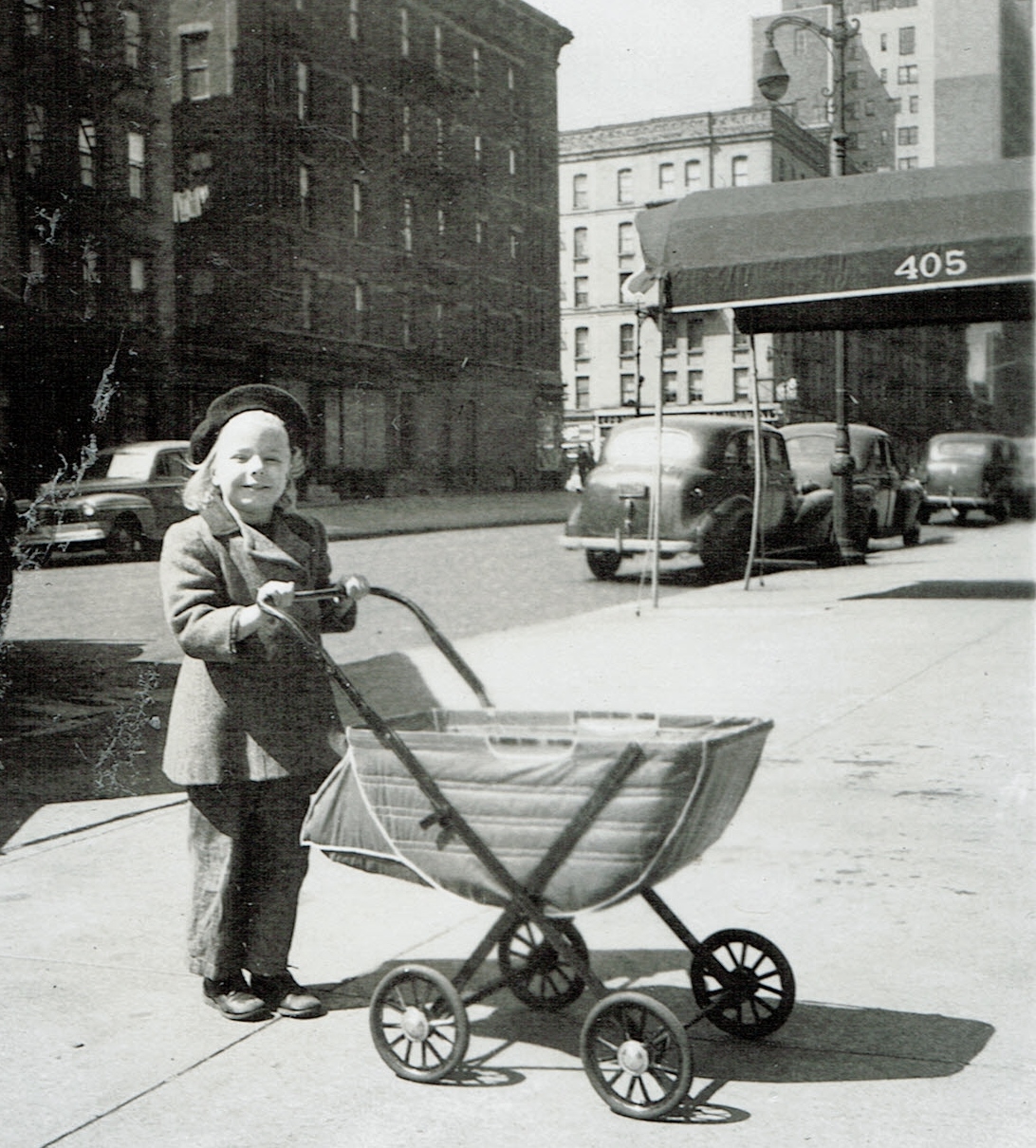
  learning to ride horseback and row and swim and fish by inserting tiny frogs on a hook, and kiss a boy behind the watch tower, a decision had been taken that would determine my whole future and in its accordance we were loading up the car and “moving”. I had been moved before, from New York City to New Canaan, Connecticut, but that move was at 5 years old and –frankly- I remember nothing about New York even looking at the old
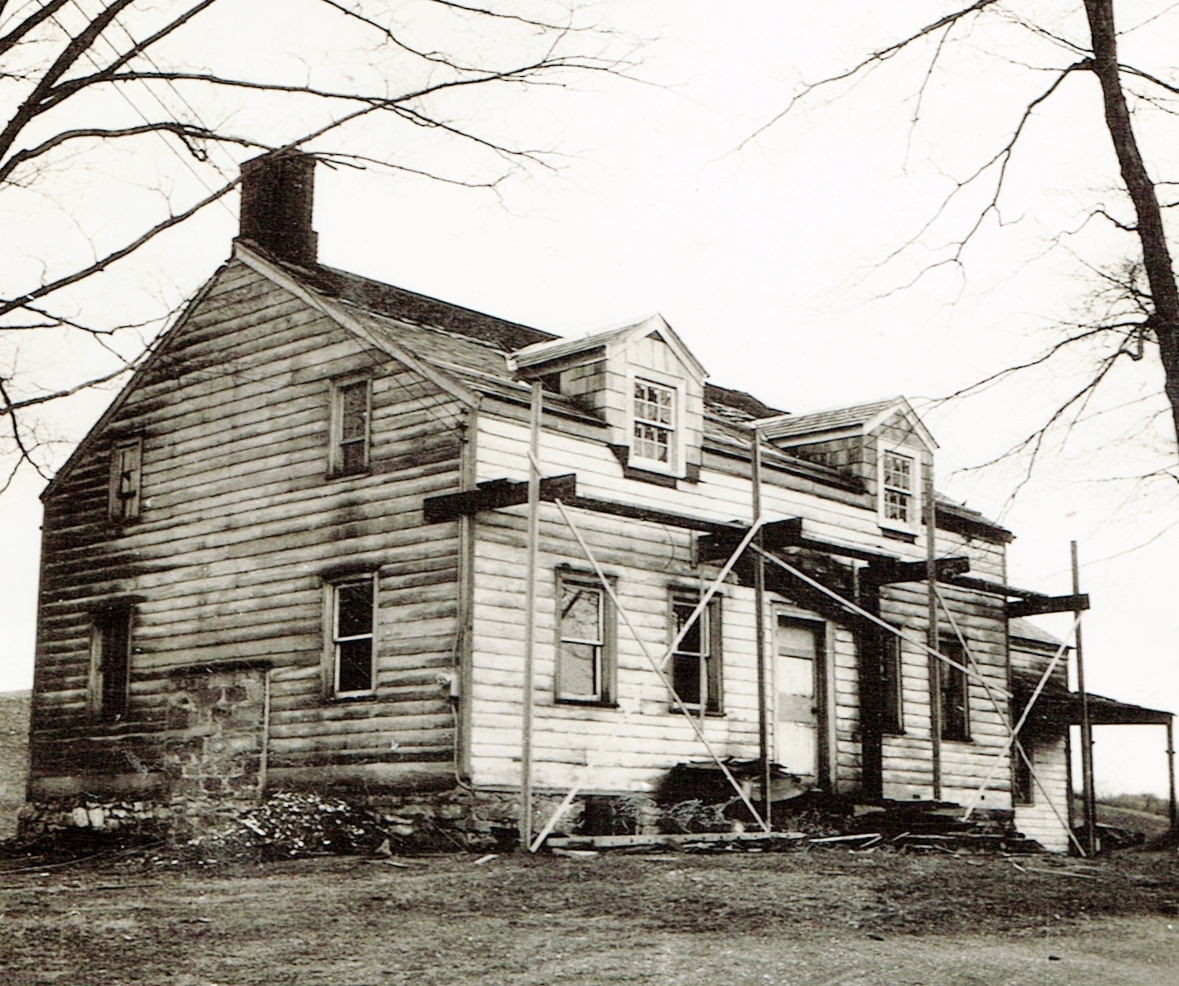
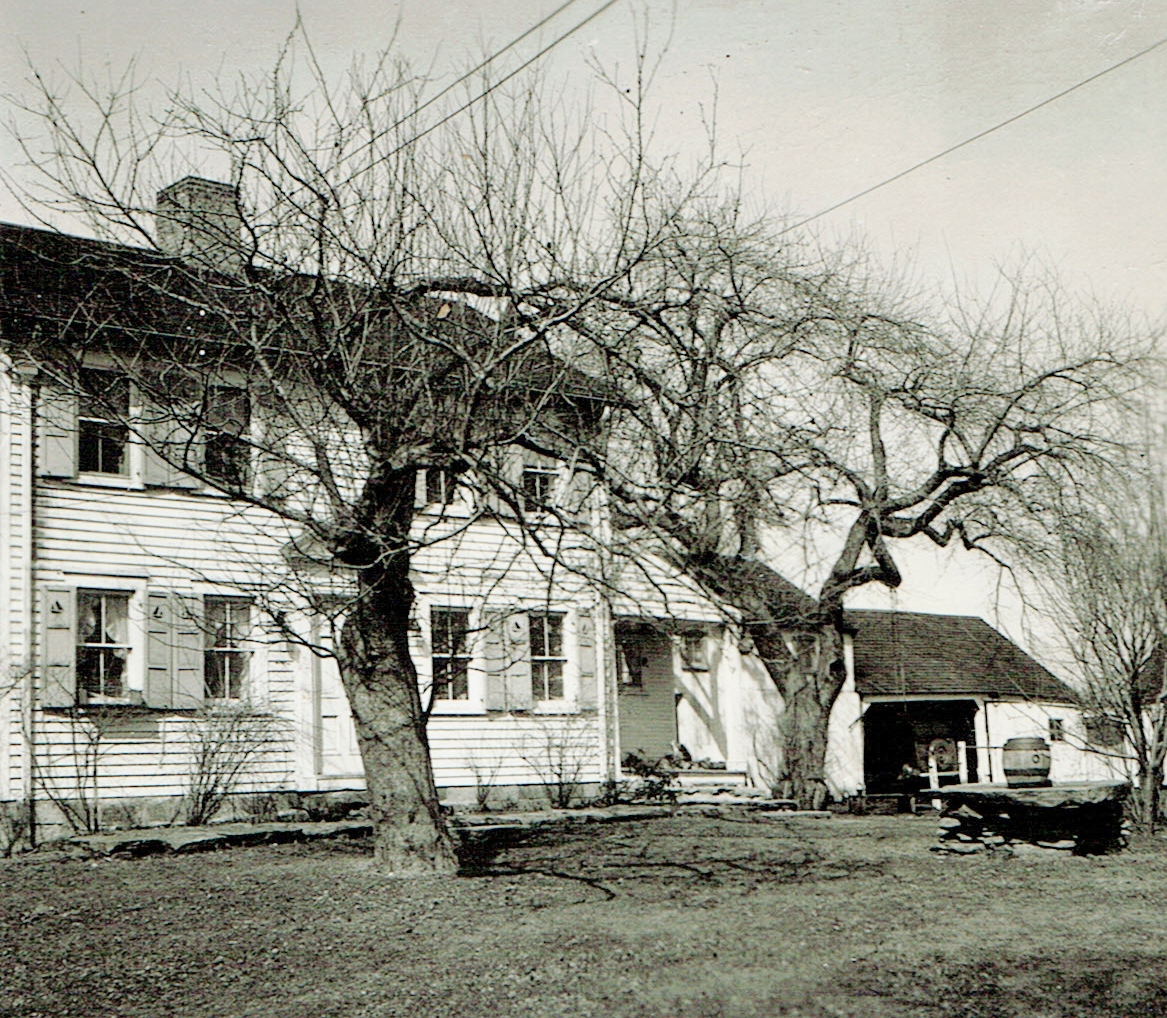
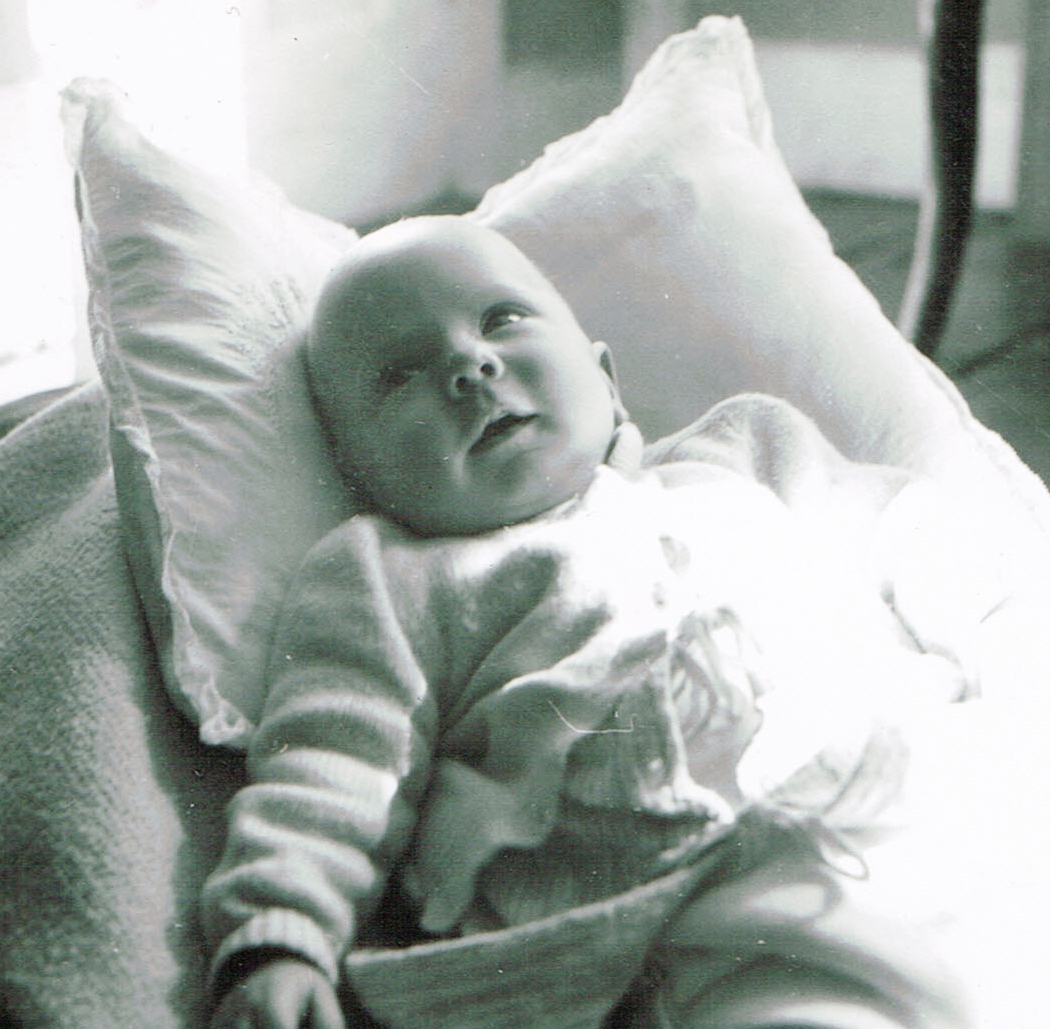
 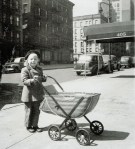 photographs. Besides, I was moving from an apartment in the city to a beautiful, spacious house in the country where I had miles of woods and fields in which to spend all my infantile energy. It was a better deal. I had already experienced “countryside” because while living in New York, we would go to our place in Poughkeepsie on long weekends and in the summer. In Poughkeepsie we had two horses (I don’t remember, but there are photographs and my father often spoke of this experience) and I would ride sitting in front of my father, tightly held. At least, this is how it was until one of the horses tried to brush my mother off by rubbing its side against a tree trunk at full trot and then
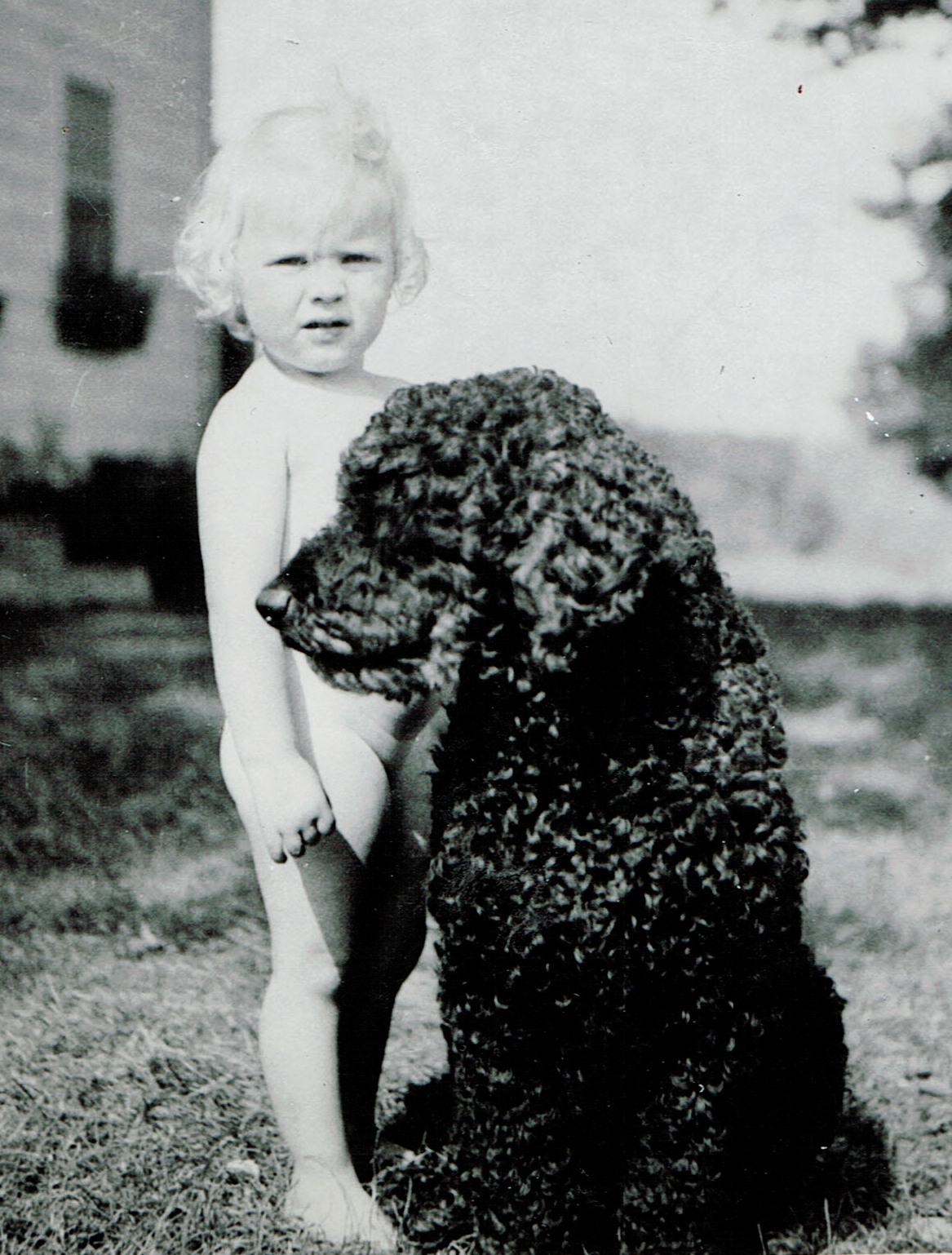
 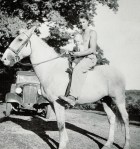 almost killed my father with its hooves when he went in to feed it. That was the end of the horses. We had a black poodle called “Peter” too, until my mother ran him over one evening coming into the driveway when he galloped out to greet her. That was the end of Peter. The dog was Peter because my father was Pedro or, as is the
 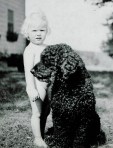 nickname in Spain, Perico. My mother, a good American who did not speak Spanish at the time, wanted to call my father “Peter”, but he would have none of it, so she called the dog “Peter” and then killed him. So much for love. This anecdote has a continuation. Many years later, while on a hunting trip with my father in Mexico, she shot a small parrot in place of a dove. In Mexican Spanish, a small parrot is called a “perico” (which there is not a nickname for Pedro) and my father loved to retell the story of how my mother was, for sure, out to gun him down.
  So Poughkeepsie melted into New Canaan and I had a black retriever named Brandy and a cat called Minnie, and
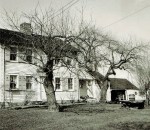 the freedom to roam, investigate, get lost and found, and live as I hadn’t experienced previously at least in a conscious manner. There was to be only one thing I would remember that would mar my New Canaan experience and that was the birth of my brother, something not easily forgotten considering that, in spite of me, he survived childhood. I was six, I had been queen of the house since birth with no competition whatsoever, and then
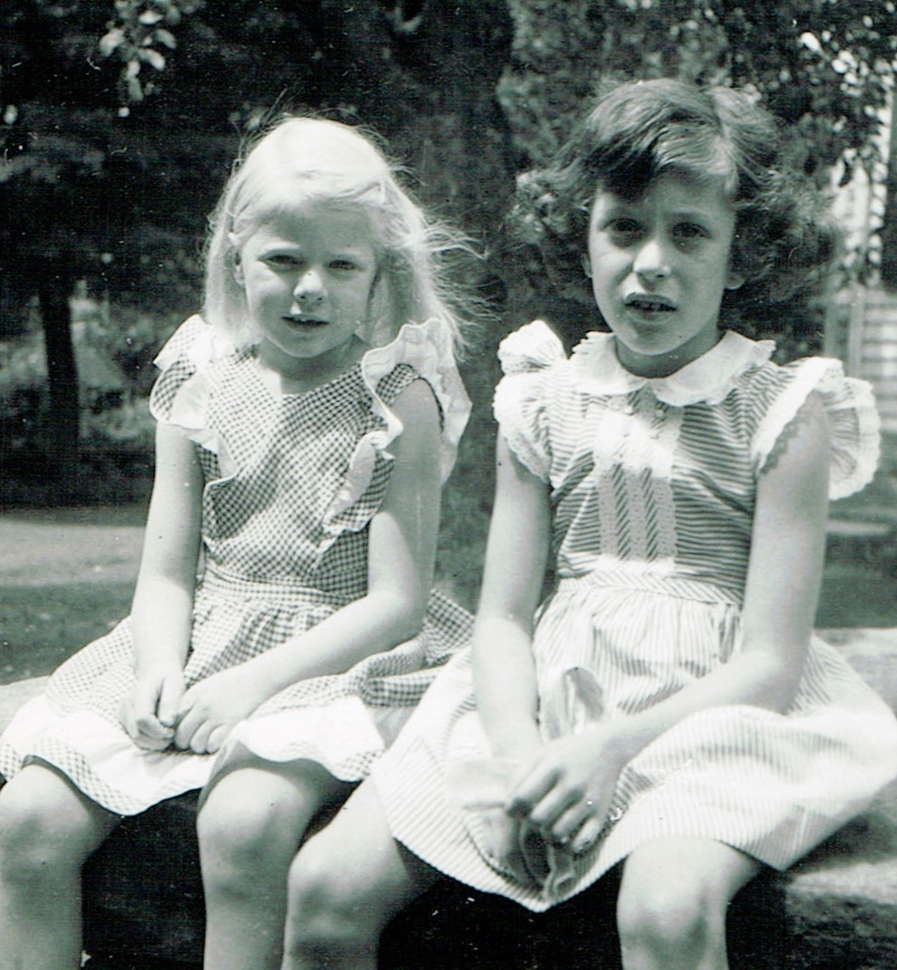
  suddenly, competition appeared and it had a penis which, according to Freud, is the only thing that women really envy. I don’t particularly agree with Freud, though, and truly believe that if it had been a girl my reaction would have been the same: competition is competition. Now, most six-year-old girls probably would look on this event as a marvelous opportunity to play little mommy with a real life doll, but dolls were not my thing and –according to my mother- I wouldn’t even go near him, much less hold him, feed him, change or bathe him. There was an alien in the house and I was not about to abet it. Nevertheless, and in spite of my brother, my memories of New Canaan basked in the glory of love lost and ever longed for. I was convinced that nothing had disturbed the peace of those afternoons spent walking in the woods with my father, playing that we were fighting the Indians and protecting my mother, who was home cooking our dinner; or sneaking out to the kitchen garden with the sugar bowl to eat strawberries picked right from the plant; or earning 25¢ for filling a quart jar with blueberries from the field across
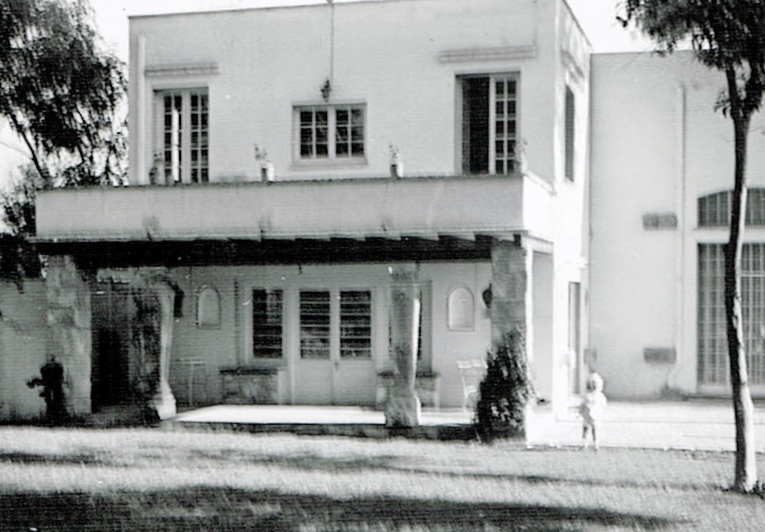
 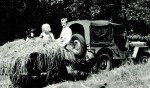 the way (the “way” being a dirt road with no cars practically ever) and then getting to eat the blueberry pie which was my favorite; or playing in the carriage house with the wind-up Victrola and a 78 Caruso record I must have listened to 100 times; or helping my father cut the hay in the field; or climbing the apple trees to pick their fruit and eat it straight out; or watching the deer come into the orchard in winter looking for rotten apples under the snow; or rolling a snowball until it got so big it wouldn’t budge any farther and seeing how it had left a trail clean of snow behind its progress; or walking to the reservoir with my father to fish for sunfish and singing “Fishy, fishy in the brook, Daddy catch ‘em on a hook, Mommy fry ‘em in a pan, Brianda eat ‘em like a man;” My fate, however, was decided one evening even before I went away to camp, as I was to hear it over and again much later in life. My father had come home with the news that he would be travelling to Mexico frequently in the coming year because of the business he was setting up there. My mother, for whom it was a great frustration not being able to belong to the New Canaan Country Club because the parents of her ex-husband had blackballed her, suggested that they move there. They were sipping a martini when this conversation took place. My father stood up and prepared a second martini and by the time the glasses were empty, the decision determining my fate without my consent had been taken. So notwithstanding the fact that a plane trip to San Antonio and then a car trip from there to Mexico City had all the promise of adventure that a 9 year old girl could wish for, I must have had my misgivings about what I was leaving behind. Furthermore, according to modern psychology, between 9 and 10 is a very important time in a child’s development. It is when she begins moving out of the protected area of the family and forming new relationships outside the home that seem more important to her at this time than those in the home. Family relationships, and the home space, constitute a safe base to return to after each ‘dangerous’ sally forth into the world. So just as I was beginning to figure out “who” I was and daring to exercise that identity in my circle of friends at school, the security of the known was pulled out from under me along with my budding “identity”. It would take me a long, long time to form another one I could count on and call my own. Gone were the roots I had put down in my school, in my aunt, uncle and cousins, in my friends and my grandparents, in the first house that I had recognized as my home,in my unlimited tramping grounds, the carriage house and Caruso, the barn where jumping from the rafters into the hay was a daily game, snow and the change of seasons, blueberry pies, and the woods I wandered through with my father. I was being moved to a
 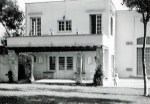 city -not as populated then as it is now- where there was only a dry season and a wet one, where I would attend a new school, learn a new language and be cared for by maids who prefered my brother because he was still “cute”, a place where feeling earthquakes was more possible than finding blueberries, where most children were not blond with blue eyes, where my parents would spend more time socializing and playing golf than taking care of their kids, and where I would for a very long time feel like a foreigner in an unknown land.
  There was only one thing that made the trip not only bearable but actually desirable to a certain extent. The week before our departure, my parents had thrown a going away party for their friends, among them a couple called the Foxmartin’s. I was supposedly friends with their daughter who came along, but truth be told, I didn’t like her at all. She was about a year older and tended to be very bossy –something I considered my prerogative especially in my own house. Besides, she had the biggest collection of “trading cards” I had ever seen. In those days, the rage was to collect trading cards, playing cards that had beautiful pictures on them and a blank side where the numbers
  and figures usually went. I craved that collection of cards, especially the horses. In comparison, my collection was paltry and I had very few “repeats” that I might trade for her “repeats” because she had almost all the cards that I had. Every time she would come to my house, she would bring her collection and show it off. She was odious. That night, though, we ended up going to sleep before her parents were ready to leave so they must have come up to the bedroom and carried her down to the car and forgotten the suitcase with the trading cards in it. The following morning, to my extreme delight, I found it. When her mother called and I was asked if she had left the suitcase, I lied and from that moment on I couldn’t wait to be off to Mexico with my stolen goods. Obsessed with the thought that I would be the Queen of Trading Cards in my new home, I didn’t notice how much I was losing with the move. So it wasn’t until arriving at our destination that I began to realize I
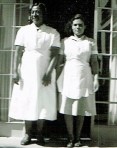
  had lost my friends, my school, my beloved house and grounds and my native language, and had moved to a country that had never heard of trading cards. Suddenly, I was the queen of nothing, and my life had turned up-side-down. From that time on, the sensation of being rootless only increased because, as fate would have it, I did not put roots down in Mexico either. My parents had not decided to stay permanently in Mexico at that time and, thinking they might want to return to the United States, they placed me in the American School. We joined a golf club where there were mostly American members, and they made mostly American friends in the beginning. So I was living on what would culturally be seen as an Island of the United States. I didn’t make Mexican friends, I didn’t listen to Mexican music, I didn’t watch Mexican movies and even the television programs that I viewed later were in English with Spanish subtitles. Yes, I learned Spanish because I had a class in school and because I spent a lot of time in the kitchen with the maids who had now substituted my mother who took to playing bridge, playing golf, attending the Garden Club, and working with the Junior League. My father worked more than before and was tired when he came home; our times together, the stories and the walks were gone. Weekends were for going to or organizing social events. I know now that we might be called “expats” for moving to a new country and trying to replicate the life lived in the original one. But I wasn’t old enough to have a life to replicate, so I lived on this half-baked replica of the States where nothing was the same, and nothing was different either. Rather it was like a faded photograph where the lines are difficult to make out. My father’s work took him travelling to South America and my mother often accompanied him, leaving us with a guardian, usually an elderly woman named Mrs. Lamb who I ran circles around. I missed my grandmother –usually the one in charge of caring for us when our parents travelled- and although I began immediately writing her letters, in those days mail took a week to ten days and by the time she answered I had forgotten what I had written. For the first time in my life I felt truly alone and that, instead of subduing me, sparked my rebellion. I became unruly, contrary and sneaky, and dedicated myself to growing up faster than my parents probably would have wished. But above all, I became rootless, incapable of identifying as an American but in no way a Mexican, other than having learned Spanish. When I returned to the States a few years later for a visit, I realized how foreign I felt there, just as I felt foreign in Mexico. I knew of none of the things my cousins were into, I had no bubble gum in Mexico, or Bobby sox, or moccasins; I didn’t dress as they did or think like they did or enjoy the things they did. I hadn’t gone to camp in the summer, or visited the beaches they had. They saw me as “Mexican” and introduced me as their “Mexican cousin” asking me to speak Spanish to impress their friends. But I wasn’t Mexican, I knew nothing of Mexican culture or customs and wouldn’t for many years. I was a fake, I was a neither-nor, I was rootless and it would take me a long, long time to discover the advantages of this strange new state and begin fully living the “rootless” life I had suddenly been dealt.
 Or is it just the beginning of The War of Tweets? This morning, on the news, first the Donald (I loved what Obama called him) announced he would begin the Wall between Mexico and the USA in a few weeks and that the Mexican President –who had announced a state visit in a few days- would agree to pay for it. Then, as I turned to French news, one of the candidates for President from the left was being interviewed and the interviewer was asking if he, as President, would use a nuclear weapon against another country as a deterrent, in other words, without being attacked first. I was horrified to hear the possible candidate wiggle and waggle and worm his way around the question without ever answering it. In Spanish we say “El que calla, otorga” which means “He who remains silent, gives permission or agrees”, so I took the wiggle-waggling as a “yes”.
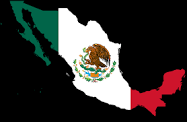 He tweeted his cancellation of the trip. There will be repercussions, of course, and Mexico will probably suffer economically for a while, but for Mexico to retain its trade agreements Peña Nieto would have had to accept paying for the wall and the Mexican people would never have forgiven him. You can’t eat pride, but it sure makes hunger feel a lot less hurtful. I actually checked into my Twitter account for the first time in about 10 years and tweeted the President of Mexico my heartfelt gratitude.




 Writing a life